Qoder Knowledge Engine transforms engineering knowledge into reusable context, improving AI agents’ accuracy, stability, and execution efficiency.
This article explores Qoder Security's end-to-end in-coding vulnerability management through five real-world scenarios.
Talk where you work. Your agents are already in the room.
This article introduces how the Qoder IDE team leveraged AI Agents and a custom benchmark to implement 39 performance optimizations and reduce software lag.
This article demonstrates how Qoder Security detects and fixes historical vulnerabilities in AI-generated code directly within the development session.
Qoder's native code security is now available. Qoder Desktop and Qoder CLI are the first to support it, with other Qoder products to follow in upcoming releases.

Qoder Terminal Sandbox: native command isolation across Windows, macOS, and Linux for bounded Agent execution

Goal Mode + self-verification + regression guards, hundreds of hours of unattended iteration
Why Qoder's memory moved from a fixed pipeline to an autonomous agent, and what changed when the model got to decide what to remember, when to recall it, and what to fix.
Born for software engineering. Built for the enterprise.
Qoder 1.0 upgrades Chat into an agentic task runtime: stable workspace, execution, artifact, and knowledge boundaries for every Quest
How Agentic Search Maximizes Retrieval Efficiency for AI Agents
Better Results, Lower Cost

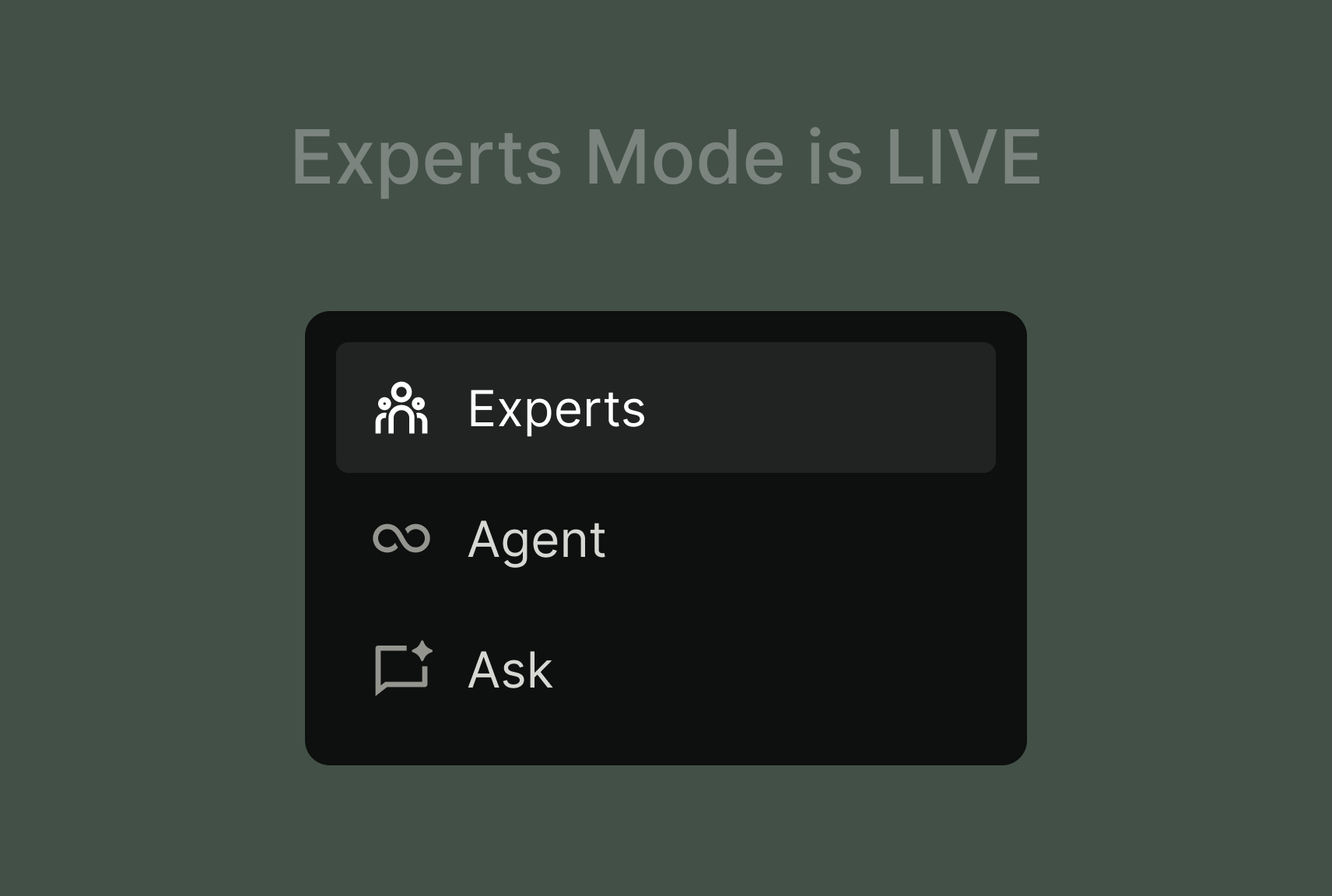
Beyond coding—toward delivery. AI is evolving from a "programmer" into an "engineering expert team."
How a self-evolving knowledge engine makes AI agents engineer better
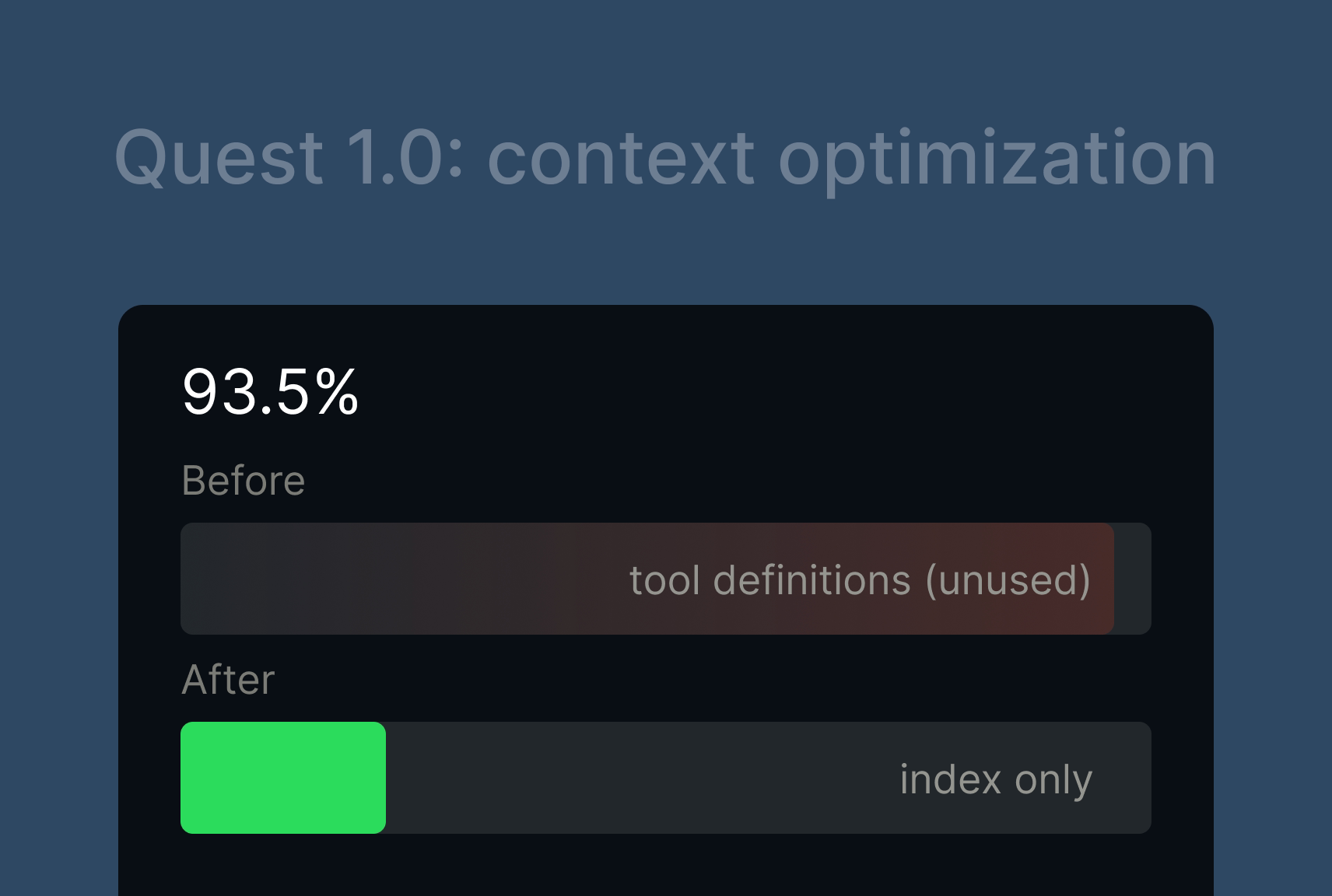
How we cut 10% of Quest's context cost by not showing the model tools it doesn't need
Let the cloud handle the routine and free your mind for what matters.
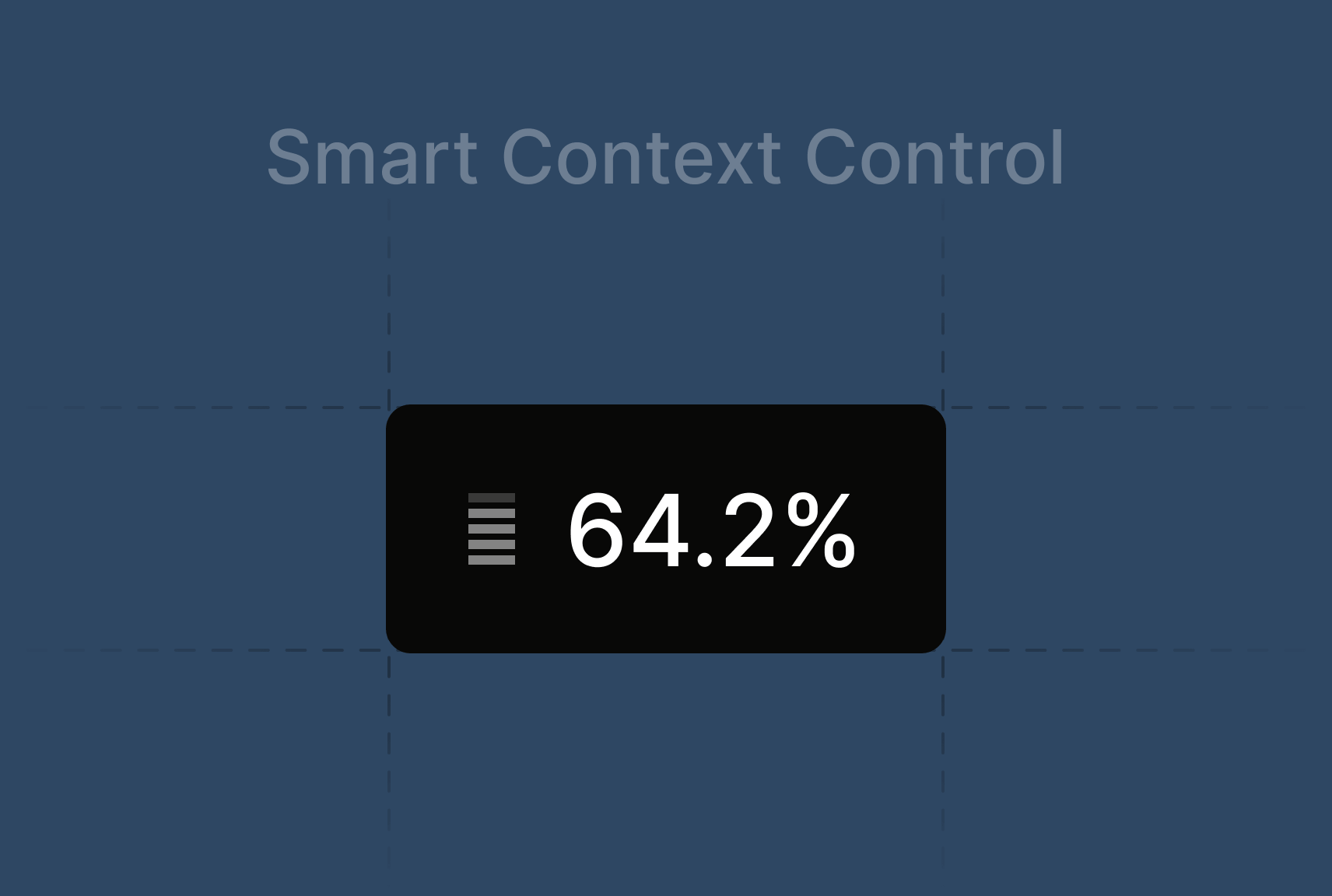
Make your Credits go further with smarter context management.
Inside Qwen-Coder-Qoder: The RL-optimized model behind Qoder's agent architecture
A 7×24 unattended feedback system built on Qoder CLI, compressing root-cause analysis per issue from 30 minutes to 2.