This article introduces two LoongSuite-based observability approaches for comprehensive tracing and cost analysis of DeepSeek Harness agents.
This article introduces DeepSeek's Super-agent architecture, which enables autonomous, multi-tasking AI agents to operate continuously across sessions, applications, and environments.

This article examines how DeepSeek Harness turns runtime logs and guardrails into data assets for continuous agent evolution.
AMAP's evolution and practice of team-level AI development powered by Harness governance and SDD.
This article introduces Qoder's Better Harness, a tool that diagnoses and optimizes AI agent workflows by turning task lessons into reusable assets.
This article introduces the open-source release of Better Harness, a toolkit for evaluating and optimizing AI coding agent workflows based on actual task execution.
This article details the technical optimizations behind Qoder's Fast tier that significantly reduce AI response times and resource consumption.
The article introduces Harness Engineering, a paradigm that ensures AI coding quality through checkpoints, acceptance criteria, and automated scoring.
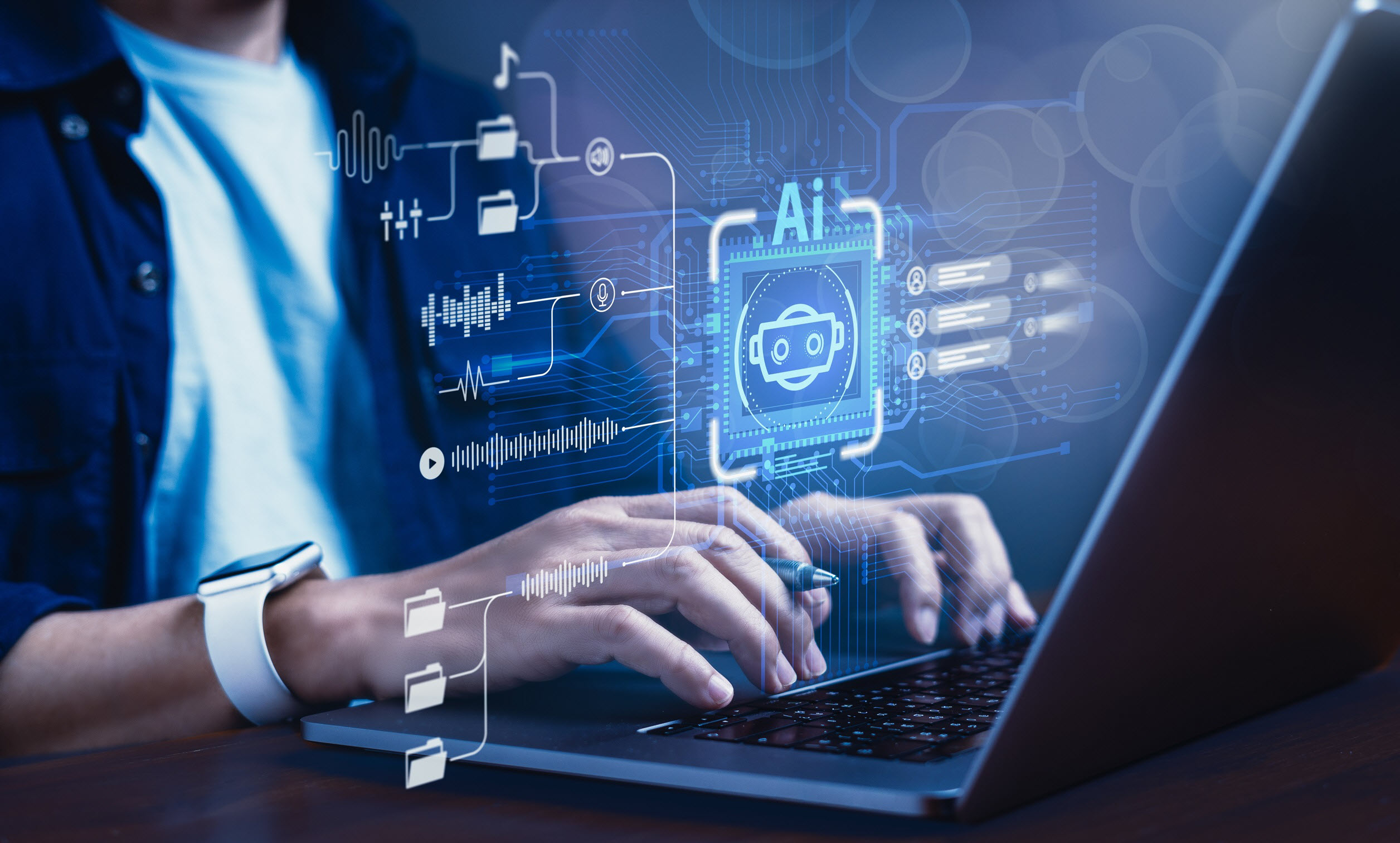
Coding agents log what happened, but not where the time and tokens went. Here's how to get real OpenTelemetry GenAI traces out of DeepSeek Harness, viewed in Jaeger or Langfuse.
How a self-evolving knowledge engine makes AI agents engineer better

A 7×24 unattended feedback system built on Qoder CLI, compressing root-cause analysis per issue from 30 minutes to 2.

This article introduces HiClaw joining AgentScope to partner with CoPaw in building enterprise multi-agent infrastructure.

This article introduces Harness Engineering, a paradigm shift from coding to designing control systems that enable reliable AI agent execution.