This article introduces optimization strategies for data and traffic skew in PolarDB-X.

518 real API calls. $33.99 → $7.06 in a single run. The same parameter change projects $15,667/year saved on a healthcare workload — here's the exact code, the math, and every scenario I measured.

Choosing how to deploy a large language model in production is one of the most consequential — and confusing — decisions an AI team can make.
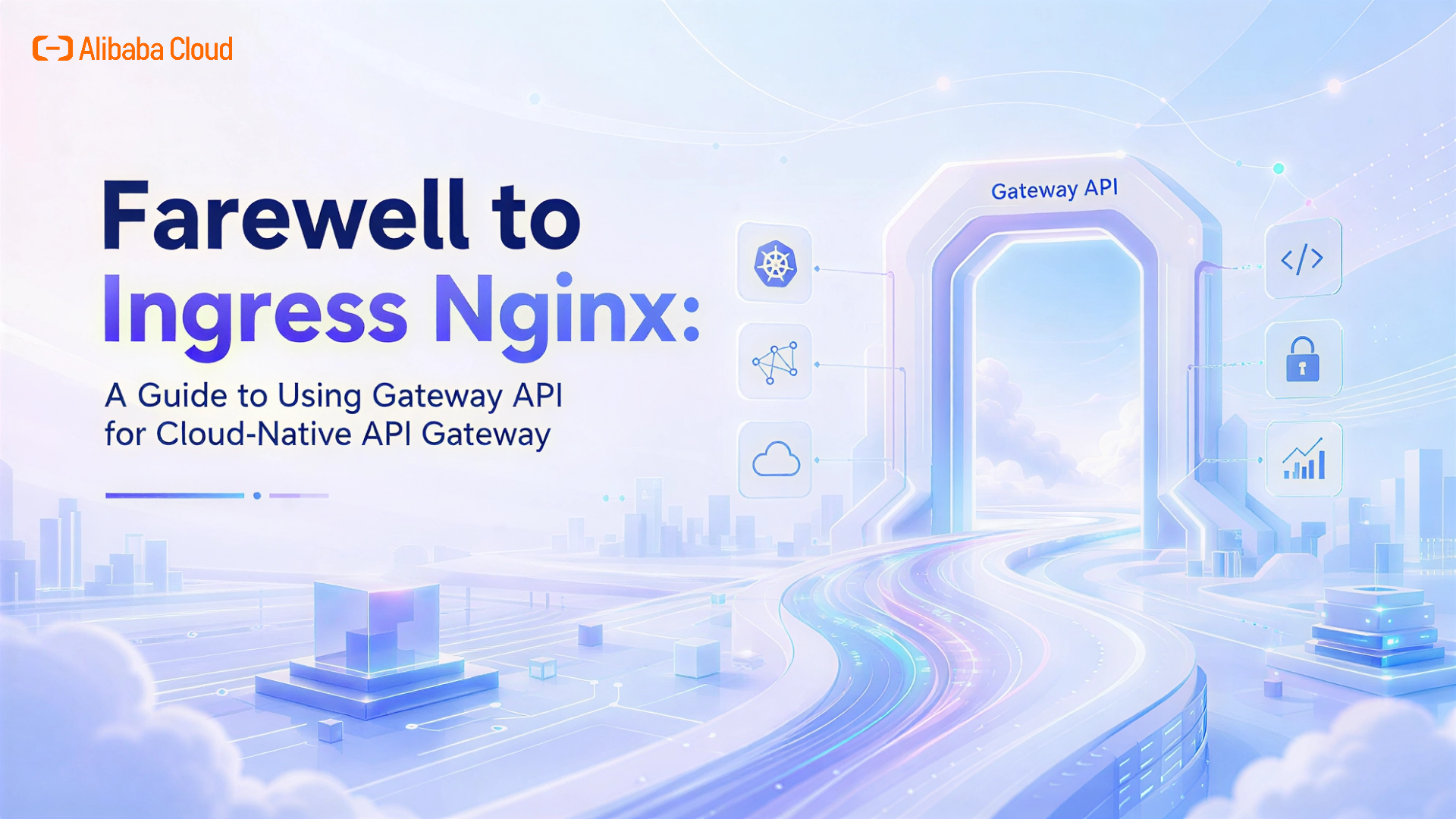
This article introduces the Kubernetes Gateway API as the next-generation standard to replace the retiring Ingress Nginx.
Finding cover images after writing is always a pain. I built a Skill that auto-picks style, generates prompts, and calls Model Studio CLI to create images from article content.

This article introduces the analysis steps for traffic skew.

This article shares best practices to diagnose and resolve data skew.

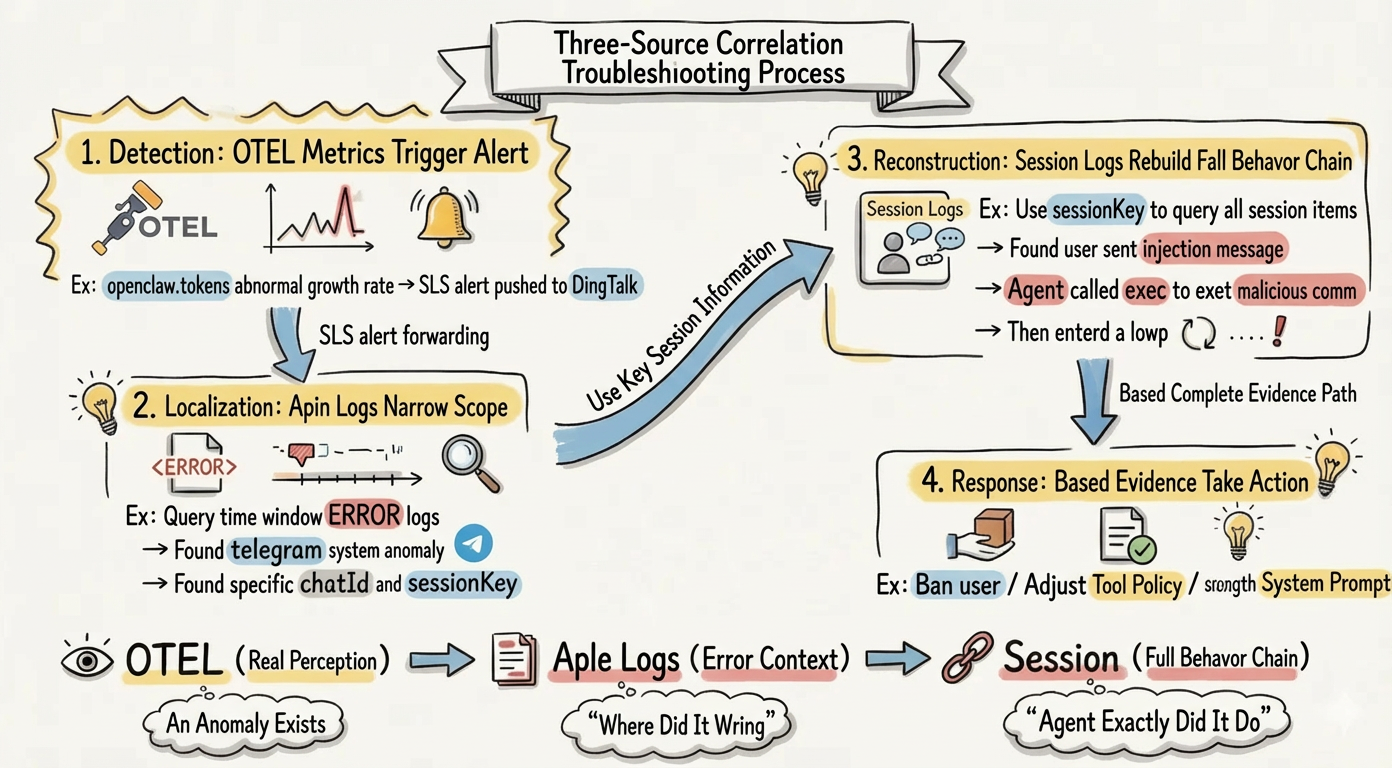
One-click SLS Integration Center setup ingests OpenClaw logs (session audits + app logs) and delivers ready-to-use dashboards for security, cost, and ops monitoring.
Alibaba Cloud is proud to announce that OpenClaw is officially supported on its Simple Application Server.
This article introduces Alibaba Cloud's Compute Nest one-click deployment solution for OpenClaw, enabling automated end-to-end setup of AI agents with integrated Model Studio and ECS resources.

Suitable for users who want to configure Model Studio API for Moltbot/Clawdbot
This guide details how to build the extension artifacts in a sterile environment and manually mapping them into your production package-managed server.

This guide introduces Qwen Code, an AI-powered CLI assistant that brings the qwen3-coder-plus model into the terminal to accelerate coding workflows.

This article introduces how to use CEN to establish a private communications channel between two VPC networks within the same account, enabling seamless intercommunication between all resources.

A Step-by-Step Guide to Running Your Own AI Coding Agent in the Cloud

This article explores how DAS is democratizing expert-level database management for every enterprise.

This guide introduces a step-by-step guide for setting up and activating Qoder Teams via Alibaba Cloud Marketplace

This guide explains how to create and implement reusable, automated capabilities for the Qoder developer platform.

This article introduces how to migrate from self-managed Nginx Ingress to Alibaba Cloud cloud-native solutions—ALB, MSE, or APIG.

The DAS Agent is a powerful tool designed to assist users in managing their databases efficiently. It provides insight into performance diagnostics.